Dyeing Silence: Gambian Women's Audiovisual and Textile Narratives Through Batik
DOI:
https://doi.org/10.29340/en.v9n18.458Keywords:
women, life histories, batik, audiovisual mediaAbstract
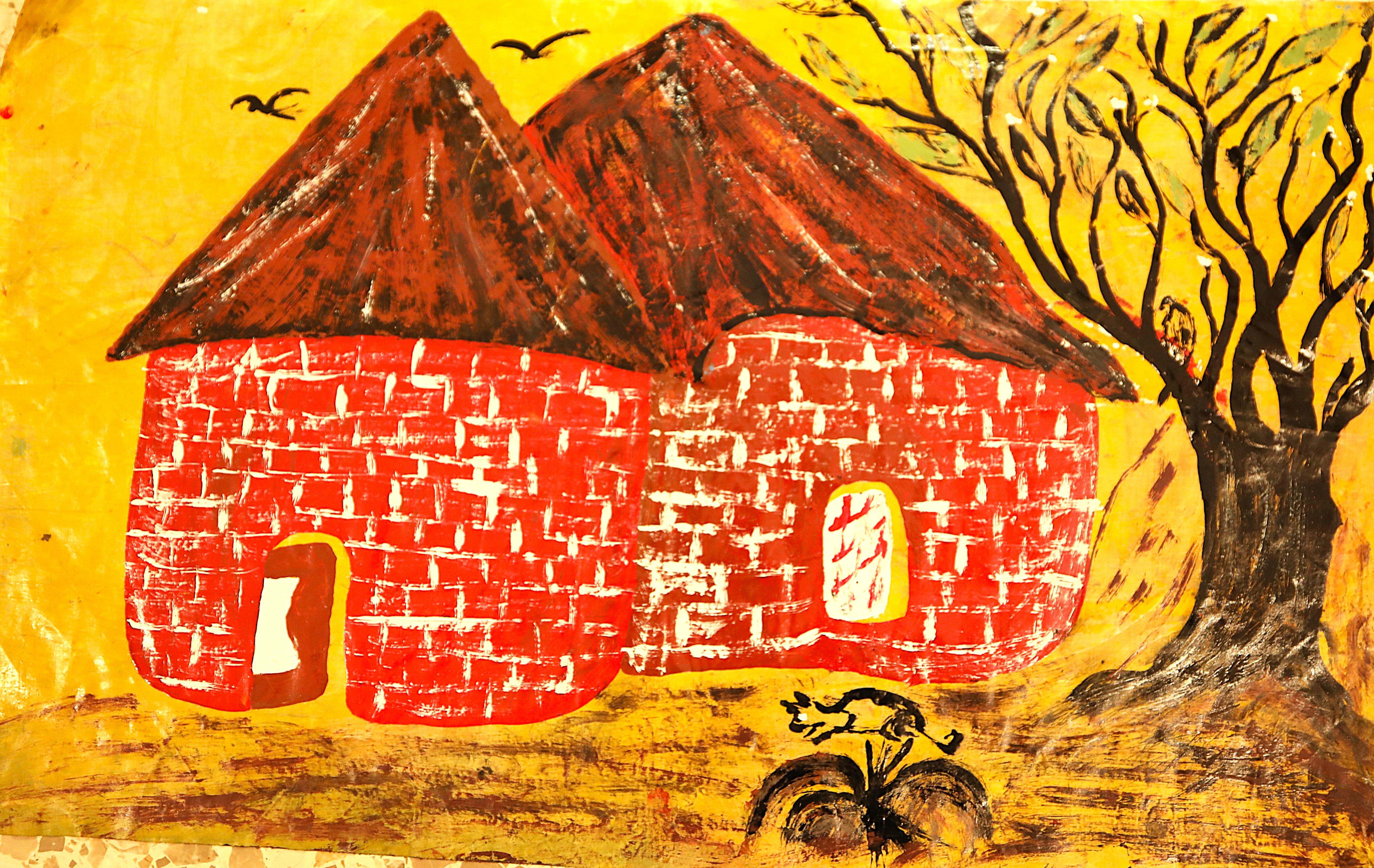
The project aims to delve into the life stories of Gambian women through batik, a traditional textile technique. The study, led by the University of Guadalajara, sought to create a creative space where women could share their personal experiences and reclaim their histories from a female perspective.
Through batik workshops, the project promoted the appreciation of traditional knowledge as sources of income, fostering community cohesion. Participation in these workshops encouraged interaction among women of various ages and sociocultural backgrounds, strengthening solidarity ties and reinforcing the local social fabric.
The project is based on an intersectional perspective, identifying the multiple forms of discrimination women face according to their race, social class, age, and economic status. Additionally, batik is recognized as a powerful visual communication tool, rich in cultural symbolism.
Through horizontal methodologies, the project encourages dialogue and co-authorship, challenging traditional hierarchies and allowing women to influence the development of the project. The space is constructed in such a way that participants can share their stories safely, contributing to the reconstruction of female identities and resilience in the face of the intersectional challenges they encounter.
Downloads
References
Arias-López, Beatriz Elena (2015). “Vida cotidiana y conflicto armado en Colombia: los aportes de la experiencia campesina para un cuidado creativo”, Aquichan, vol. 15, núm. 2, pp. 239-252. https://doi.org/10.5294/aqui.2015.15.2.8
— (2017). Entre-tejidos y redes: recursos estratégicos de cuidado de la vida y promoción de la salud mental en contextos de sufrimiento social, Prospectiva. Revista de Trabajo Social e Intervención Social, núm. 23, pp. 51-72. https://doi.org/10.25100/prts.v0i23.4586
Barone, Tom y Elliot W. Eisner (2012). Arts Based Research. Thousand Oaks: Sage Publications.
Crenshaw, Kimberlé Williams (1991). “Mapping the Margins: Intersectionality, Identity Politics, and Violence against Women of Color”, Stanford Law Review, vol. 43, núm. 6, pp. 1241-1299.
Haraway, Donna Jeanne (1988). “Situated Knowledges: The Science Question in Feminism and the Privilege of Partial Perspective”, Feminist Studies, vol. 14, núm. 3, pp. 575-599. https://doi.org/10.2307/3178066
Kabeer, Naila (1999). “Resources, Agency, Achievements: Reflections on the Measurement of Women’s Empowerment”, Development and Change, vol. 30, núm. 3, pp. 435-464.
Kaltmeier, Olaf y Sarah Corona Berkin (2012). En diálogo: metodologías horizontales en ciencias sociales. Barcelona: Gedisa.
Malchiodi, Cathy A. (2003). Handbook of Art Therapy. Nueva York: Guilford Press.
Mohanty, Chandra Talpade (2003). Feminism without Borders: Decolonizing Theory, Practicing Solidarity. Durham: Duke University Press.
Nash, Mary (2004a). Mujeres en el mundo: historia, retos y movimientos. Barcelona: Alianza Editorial.
— (2004b). “Repensar las representaciones mediáticas de las mujeres migrantes”, Quaderns de la Mediterrània, núm. 7, pp. 59-62.
Oyěwùmí, Oyèrónkẹ́ (1997). The Invention of Women: Making an African Sense of Western Gender Discourses. Minneapolis: University of Minnesota Press.
Programa de las Naciones Unidas para el Desarrollo (PNUD). (2022). Informe sobre desarrollo humano 2021/2022: Tiempos inciertos, vidas inestables. Configurar nuestro futuro en un mundo en transformación. https://hdr.undp.org
Sastre-Díaz, Camila Fernanda (2011). “Reflexiones sobre la politización de las arpilleristas chilenas (1973-1990)”, Sociedad & Equidad, núm. 2, pp. 364-377. Santiago: Universidad de Chile.
Spivak, Gayatri Chakravorty (1988). “Can the Subaltern Speak?”, en Cary Nelson y Lawrence Grossberg (eds.). Marxism and the Interpretation of Culture. Urbana-Chicago: University of Illinois Press, pp. 271-313.
The DHS Program (2019). Gambia Demographic and Health Survey 2019-20: Female Genital Mutilation/Cutting Data. https://dhsprogram.com/pubs/pdf/DM180/DM180.pdf
Downloads
Published
Issue
Section
License
Aviso de derechos de autor
- Los autores/as conservan los derechos de autor y ceden a la revista el derecho a la primera publicación con el trabajo registrado con la licencia de atribución Creative Commons, que permite a terceros utilizar lo publicado siempre que mencionen la autoría del trabajo y a la primera publicación en esta revista
- Los autores/as pueden realizar otros acuerdos contractuales independientes y adicionales para la distribución no exclusiva de la versión del artículo publicado en esta revista (por ej. Incluirlo en un repositorio institucional o publicarlo en un libro) siempre que indiquen claramente que el trabajo se publicó por primera vez en esta revista.
El material puede ser copiado, distribuido, comunicado, ejecutado públicamente. Se pueden hacer obras derivadas de él. No se puede utilizar para fines comerciales. Se debe reconocer y citar la obra de la forma en que tú especifiques.